

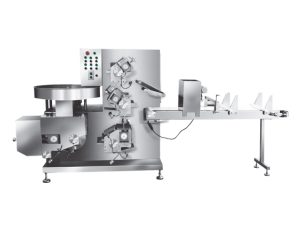
The operating procedures and usage methods of the dough sheeter are summarized below as a set of standardized operating procedures, integrating food safety, equipment efficiency and operational safety.
I. Pre-Use Preparation
1. Check Equipment Status
Place the dough sheeter on a dry, ventilated and level countertop to ensure stable operation.
Verify that the power supply voltage matches (normally 220V), and the grounding resistance does not exceed 4 ohms to prevent electric leakage and electric shock.
Clear any iron or hard objects from the feeding inlet to avoid damaging the pressing rollers; wipe off dirt on the machine surface.
Lubricate the dough rollers, gears and bearings with an appropriate amount of cooking oil or butter to reduce wear.
2. Prepare the Dough
The recommended ratio of flour to water is between 2:1 and 3:1, adjusted slightly according to the water absorption of the flour. The dough should be firm yet flexible, with a softness similar to that of an earlobe.
Let the kneaded dough rest for 20–30 minutes to relax the gluten, making it easier to press and giving a chewier texture.
Divide the dough into small pieces of about 250–500g each for even pressing.
3. Install Attachments
Remove the noodle cutter before sheeting to avoid interference; reinstall it before cutting to ensure proper meshing of the drive gears.
Select the corresponding noodle cutter according to the desired noodle width (e.g., 1.5mm, 3mm, 6mm, etc.) and insert it firmly into the slot.
II. Dough Sheeting Operation Procedures
1. Sheeting Process (Repeated Pressing from Thick to Thin)
Adjust the roller gap to the widest setting (e.g., 10mm), start the machine, and feed the dough into the inlet for automatic pressing.
Fold the pressed dough sheet in half, narrow the thickness by one setting, and repeat pressing 4–5 times until the surface is smooth and thickness is uniform.
The final dough sheet thickness is recommended to be 1.5–3mm, suitable for subsequent cutting.
2. Cutting Process
Install the noodle cutter of the required width and adjust the cutter adjuster (clockwise for thin noodles, counterclockwise for thick noodles).
Feed the pressed dough sheet into the roller gap, where it will be automatically cut into continuous noodles and fall into the tray.
If noodle output is not smooth, check if the roller gap matches the noodle cutter or clean dry dough residue inside the cutter.
III. Safety Precautions
Never push dough or clear jams by hand while the machine is running; use a special pusher or turn off the power before handling.
Keep fingers at least 10cm away from the rollers and feeding inlet to prevent pinching injuries; cut off power immediately in case of abnormalities.
Wear neat clothing, tighten cuffs, and tie up long hair during operation to prevent entanglement.
Do not run the machine idle for more than 3 minutes to avoid motor damage from no-load operation.
Maintain an ambient temperature of 5–40℃ and humidity below 85% to ensure normal equipment operation.
IV. Post-Use Cleaning and Maintenance
Power off and disassemble: Unplug the power supply after use, and remove detachable parts (e.g., pressing rollers, noodle cutters) for separate cleaning.
Cleaning method: Do not rinse the machine body directly with water, especially electrical parts; wipe the surface with a damp cloth. Metal parts such as noodle cutters can be cleaned with hot water and a soft brush, then coated with a layer of cooking oil after thorough drying to prevent rust.
Regular maintenance: Inspect the circuits and protective covers daily, and record on the Equipment Daily Maintenance Checklist. Replace industrial gear oil in the reducer every 500 operating hours, and adjust belt tension regularly. Stop the machine immediately if abnormal vibration exceeds 0.5mm, and resume use only after troubleshooting.