

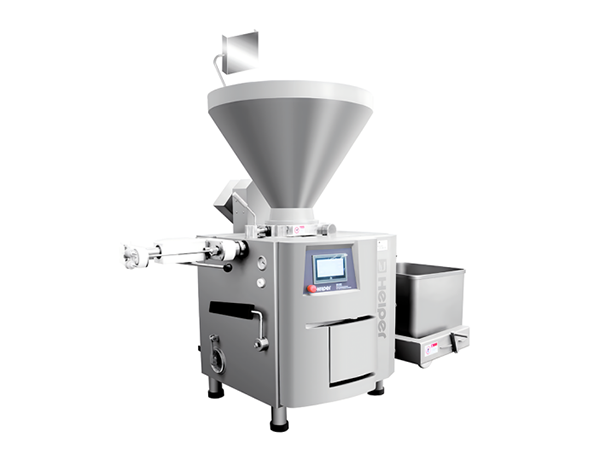
When operating a dough processing machine, four key aspects must be emphasized: material preparation, operational specifications, dough condition control, and daily maintenance, so as to ensure food safety, equipment service life and finished product quality.
1. Material Preparation and Proportion Control
Accurate raw material weighing
Use an electronic scale to precisely weigh flour, water, yeast and other ingredients instead of adding materials by experience. In particular, the liquid ratio directly determines the softness and hardness of the dough.
Reasonable adjustment of flour-water ratio
If the dough is too dry with a moisture content below 60%, the machine will struggle during kneading. It is recommended to add an appropriate amount of water or reserved water in batches to help the dough form smoothly.
Dry-wet separation and yeast-salt isolation
Mix all dry ingredients evenly first, and store salt and yeast separately to prevent salt from inhibiting yeast activity. Warm up wet ingredients in advance to avoid low temperature affecting fermentation and kneading efficiency.
2. Standard Operating Procedures and Skills
Feeding in correct order
Add dry materials except butter and liquids first, then pour in wet liquid ingredients. Start the machine at low speed and mix until no dry powder remains.
Stage speed regulation for kneading
Use low speed at the initial stage to blend raw materials evenly;
Switch to medium and high speed in the middle stage, knead until the dough becomes smooth and a thick film can be stretched;
After adding softened butter, mix at low speed for full integration, then beat at high speed until the dough reaches full gluten development.
Avoid overloading operation
The dough processing volume per batch shall not exceed the machine’s maximum rated capacity. Taking a 7L stand mixer as an example, the optimal flour dosage is 500–1000 grams. Insufficient materials lead to inadequate friction, while overloading causes excessive machine load, reducing working efficiency and service life.
Timely auxiliary finishing
If the dough sticks to the inner wall during kneading, pause the machine and scrape down the attached dough with a scraper to ensure uniform kneading.
3. Environment and Dough Condition Monitoring
Dough temperature control
The ideal finished dough temperature after kneading is 25–28℃. Use ice water for cooling in summer, and pre-warm raw materials in a warm environment in winter, to prevent hard dough and reduced processing efficiency caused by low temperature.
Gluten film observation
Judge gluten development through the windowpane test. Failure to form a thin elastic film may result from low-protein flour, insufficient rotating speed or insufficient water. Solutions include switching to high-gluten flour, increasing mixing speed or adding an appropriate amount of water.
Prevent over-kneading
Check the dough frequently in the final stage. Over-mixing will damage the gluten structure and impair the taste of final products.
4. Cleaning, Maintenance and Safe Operation
Timely residue cleaning
Dismantle the mixing hook and dough bowl immediately after use, and rinse with clean water to prevent residual dough from drying and hardening.
No hard scratching
Use soft brushes for cleaning; never use steel wool, to avoid scratching the stainless steel bowl surface and protective coating.
Regular component inspection
Check the motor running condition regularly. Abnormal noise or shaking may be caused by gear wear or loose base, which requires timely after-sales maintenance.
Store in a dry environment
Thoroughly dry the machine if it will not be used for a long time, and place it in a well-ventilated and dry area to prevent moisture and rust.