

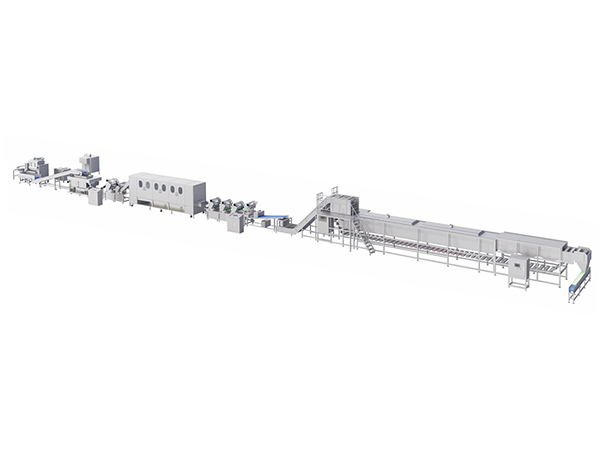
1. Check whether the pressing pressure of the dough sheeter is sufficient
Rough dough after pressing is usually caused by insufficient machine pressure. Inspect the adjusting screws of the machine for looseness or deformation. Gradually increase the pressing pressure until the dough achieves a smooth and uniform state. Meanwhile, keep the equipment thoroughly clean and hygienic, as oil stains and sundries will affect the pressing effect and lead to uneven dough surface.
2. Use suitable flour
Poor flour quality may also result in rough pressed dough. It is recommended to use high-quality flour such as high-gluten flour or all-purpose flour. Add an appropriate amount of egg liquid and clean water, and stir evenly before dough pressing and processing.
3. Add vital wheat gluten in proper proportion
Vital wheat gluten can enhance dough toughness and elasticity, effectively improving the smoothness of pressed dough. However, excessive addition will make the gluten too hard and compromise the taste of finished products.
4. Standardize the dough kneading method
Control the force and frequency during dough kneading; avoid excessive kneading force. The recommended kneading duration is 10 to 15 minutes. Proper kneading activates the gluten structure fully, ensuring smooth and even dough texture.
5. Add an appropriate amount of grease
Moderate grease addition softens the dough and delivers smoother dough sheets. Excessive grease will adversely affect the product taste. It is recommended to add vegetable oil or animal oil such as sesame oil and rapeseed oil, with the dosage controlled at 10%–15% of the flour weight.