

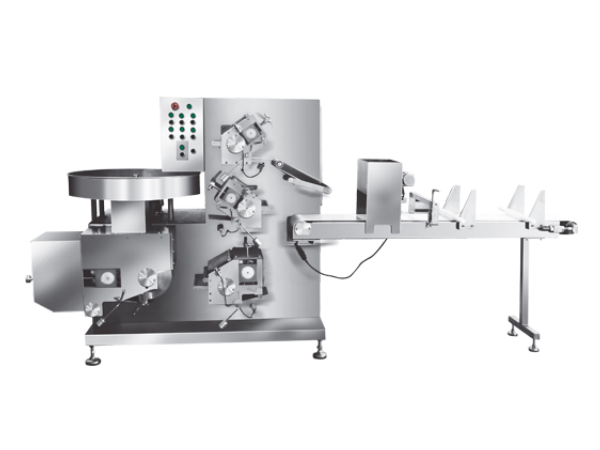
The Production Efficiency of Noodle Making Machine Is Restricted by Four Core Dimensions: Equipment Hardware Performance, Raw Material Process Matching Degree, Operation & Maintenance Status, and Operation Management
1. Core Influencing Factors
Equipment Hardware and Configuration
Motor power and transmission mode (direct drive/gear drive delivers higher efficiency than belt drive), roller material (304 stainless steel is non-sticky and corrosion-resistant), cutting blade precision and automation level (automatic water/flour feeding reduces downtime for adjustment) directly determine theoretical output capacity and continuous operation capability.
Raw Materials and Process Parameters
Gluten strength, moisture content of flour and stability of flour-water ratio are critical. Improper parameter settings (such as roller gap and feeding speed) will cause roller sticking, noodle jamming or frequent shutdowns for commissioning, drastically lowering actual production output.
Equipment Maintenance and Failure Rate
Equipment downtime caused by wear of core components (worn gears/dull cutting blades), aging transmission parts and delayed cleaning. For equipment with high failure rates (short MTBF, Mean Time Between Failures), time losses from repairs and cleaning can cut effective working hours by 30%–40%.
Operator Skills and Process Management
Operators’ proficiency in parameter adjustment, rationality of production schedules, and optimization of mold changeover and cleaning procedures. Insufficient operating skills lead to lengthy commissioning and high defective rates, thereby slowing down overall production rhythm.
2. Key Reference Data
Actual Output Gap
With the same rated capacity, professional brand noodle makers achieve 90%–95% of their rated output, while low-quality equipment only reaches 60%–70%, mainly due to frequent shutdown adjustments.
Downtime Cost
Common malfunctions (motor overheating, roller adhesion, cutting blade offset) lead to substantial losses per shutdown. Equipment suffering 2–3 failures monthly sees a sharp reduction in annual effective operating hours.
Energy Consumption and Load
Motors operate at maximum efficiency when the load factor is maintained between 70% and 90%. Overfeeding will instead raise energy consumption and may trigger protective shutdowns.
To improve the efficiency of noodle making machines, enterprises should adopt food-grade stainless steel materials, gear/direct drive transmission and automatic control systems, cooperate with stable raw material parameters, and establish standardized procedures for regular maintenance and operation.