

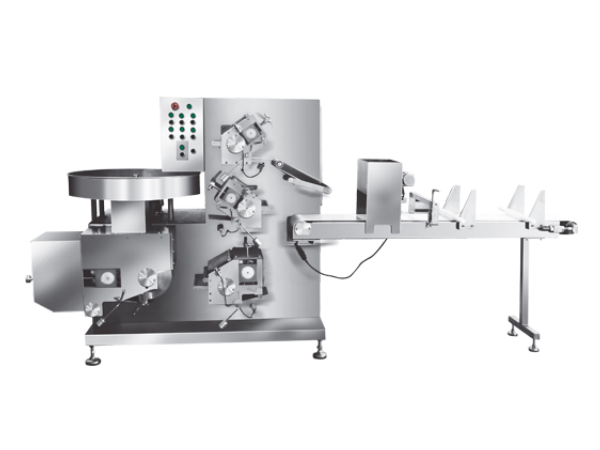
In a commercial kitchen, the commercial dough processing machine is an indispensable piece of equipment that greatly improves the efficiency and quality of pasta production. To maximize its performance, proper operation is critical. Today, we will explain in detail how to use a commercial dough processing machine correctly.
Before using the commercial dough processing machine, always complete the preparation work.Check that all parts of the machine are securely installed, the power supply is properly connected, and the mixing bowl is clean. Meanwhile, prepare the required ingredients such as flour, water, and yeast, and weigh them according to the recipe ratio.
Pour the weighed flour into the mixing bowl.Be careful not to add too much at once, as this will affect the mixing effect. Then slowly add an appropriate amount of water and other ingredients. For ingredients that need dissolving first, such as yeast, dissolve them in warm water in advance before adding.
When starting the commercial dough processing machine, first select the proper mixing speed.Generally, use the low speed at the beginning to preliminarily mix the flour and water and prevent flour from splashing. After the dough starts to form, you can gradually increase the speed.Note: do not use high speed from the start, as this may damage the machine or result in uneven dough.
During mixing, constantly observe the condition of the dough.Add a small amount of water if the dough is too dry and hard, or a little flour if it is too wet. Also check whether the dough is evenly mixed and free of lumps.Mixing time varies depending on the type and amount of dough:
For regular steamed bun dough, mixing usually takes about 10–15 minutes.
For bread dough, which requires gluten development, mixing may take longer, about 20–30 minutes.
Once the dough reaches the ideal consistency, turn off the machine.Do not rush to take out the dough immediately; allow the machine to stop completely first to avoid injury from rotating parts.
When removing the dough, use dedicated tools such as a spatula or dough scraper to take the dough out of the bowl.If dough sticks to the bowl wall, wipe it with a damp cloth or gently scrape it off.
After use, clean and maintain the commercial dough processing machine promptly.Disconnect the power, remove and wash the mixing parts, and ensure no dough or residue remains. Also, regularly lubricate the transmission parts to extend the service life of the machine.
In summary, mastering the correct operation of a commercial dough processing machine not only improves work efficiency and ensures pasta quality, but also extends the machine’s service life, bringing greater convenience and benefits to your commercial kitchen.