

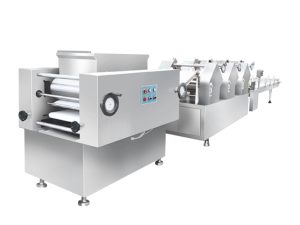
If your dough processing machine produces excessive noise, solutions can be provided from the perspectives of equipment maintenance and operating environment optimization, with specific methods as follows:
1. Inspect and Maintain the Equipment
Increased noise is often a signal of equipment aging or improper maintenance. Prioritize checking the following issues:
Check key componentsAfter long-term use, bushings, oil seals, gears or bearings may wear out, resulting in increased friction and abnormal noise. For older models, consider replacing with original factory parts.
Cleaning and lubricationRegularly clean dough residues inside the machine and keep transmission parts lubricated. Be sure to use special lubricating grease; avoid ordinary engine oil, which may accelerate wear due to inappropriate viscosity.
Avoid overloadingIf a household dough mixer is used for large-scale commercial dough mixing, the motor and gears will be overloaded, causing a sharp increase in noise. This is considered improper use and may void the warranty.
2. Optimize Installation and Operating Environment
Even if the equipment is in normal condition, the installation method can significantly affect perceived noise:
Place steadilyEnsure the machine is placed on a solid, level countertop. Avoid hollow cabinets or thin boards, as they will amplify vibration noise.
Install shock-absorbing padsPlace non-slip silicone pads or rubber shock-absorbing pads under the machine to effectively absorb vibration and reduce noise transmission.
Keep away from wallsKeep the machine more than 10 cm away from walls to prevent sound amplification through wall resonance.
Choose low-noise modelsIf replacement is needed, give priority to models marked with “low-noise design”, equipped with variable-frequency motors or double-layer encapsulated gearboxes, which can reduce medium and high-frequency noise by more than 85%.