

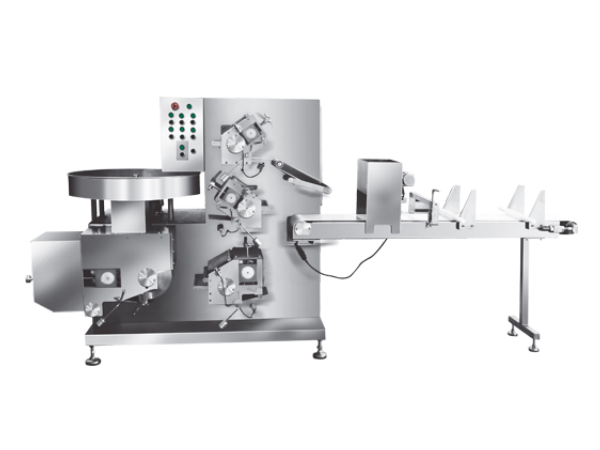
The core principles for cleaning a noodle machine after use: cut off power, disassemble parts, clean promptly, and air-dry thoroughly.
1. Cut off power immediately and let the unit cool down
Unplug the power cord right after operation, and leave the machine to cool for no less than 30 minutes to prevent scalding or component deformation.
2. Dismantle food-contact accessories
Take apart detachable parts including noodle extrusion dies, kneading rollers, cutting blades and feeding hoppers. Only remove components marked washable.
3. Clean while damp or brush dry after air-drying
Sweep leftover dough gently with a soft brush or dry cloth before it hardens. For dried caked dough, leave parts to air-dry for several hours, then clear each die hole with toothbrushes, clearing pins or original cleaning accessories. Never scrape with steel wool or hard sharp tools.
4. Gentle washing with lukewarm water and neutral detergent
Soak removable parts for a maximum of 15 minutes, scrub along grain in one direction with soft cloth or brush. Do not submerge motors, control panels or non-waterproof components in liquid.
5. Wipe fully and air-shade dry
Wipe parts dry completely, lay flat in a well-ventilated area to air-dry for a minimum of 24 hours. Ensure no residual moisture remains, especially inside die holes, to avoid rust and mildew growth.
6. Wipe main body only with slightly damp cloth
Clean outer casing and control panel using well-wrung damp soft cloth. Never rinse directly with running water or spray detergent onto the machine.
7. Confirm full dryness before reassembly
Refit all components only after they are completely dry to stop mold buildup and mechanical jamming.
Structures vary greatly among different noodle machine models; always follow the original user manual first. In the absence of instructions, follow the general rule: disassemble wherever possible, dry-clean instead of water-wash when feasible, and keep the main body away from water entirely. Regular deep cleaning avoids stubborn carbonized dough residue.